

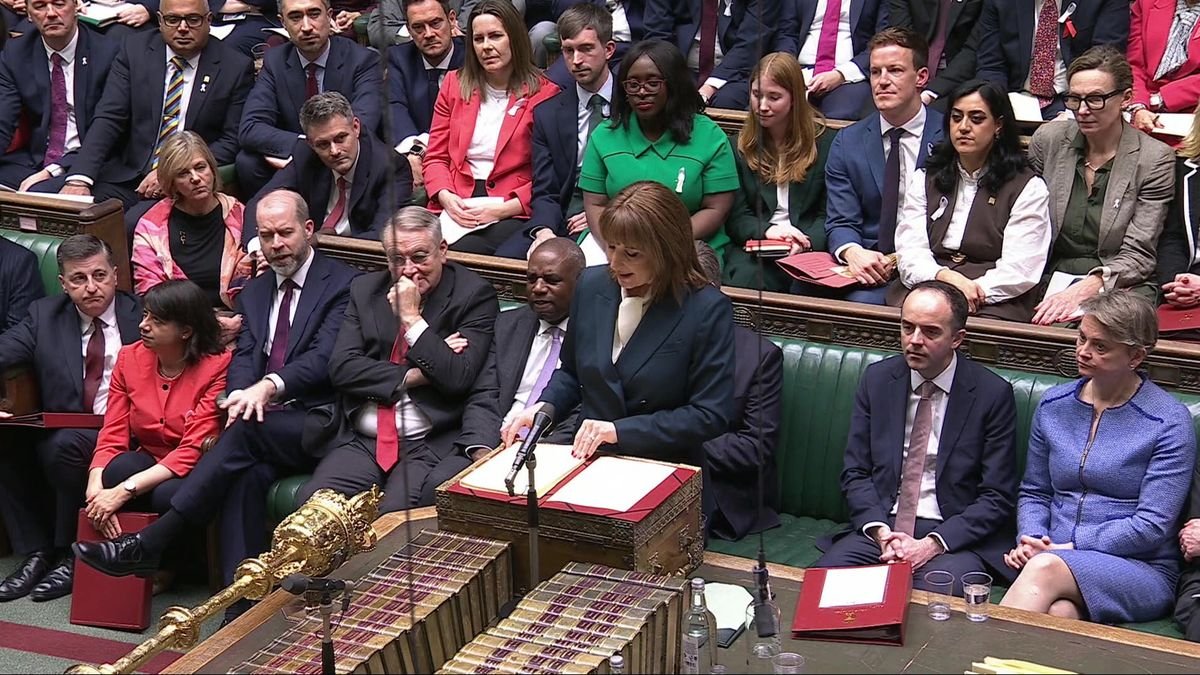

After much anticipation, Rachel Reeves has presented her second Budget following months of speculation. Key announcements on this significant day included the removal of the two-child benefit limit and a freeze on rail fares.
Economists will analyze the Chancellor’s policies in detail, notably the controversial freeze on income tax thresholds. Reeves introduced £26 billion in tax increases, emphasizing that those who are better off will bear the greatest burden.
The Mirror has delved into some lesser-known details from the Budget documents. Notably, the freeze on fuel duty will only be effective until September 2026.
The Office for Budget Responsibility (OBR) indicated that the 5p fuel duty cut, implemented since 2022, will be phased out gradually starting from April 2027, aligning with the retail prices index (RPI).
Despite offering assistance to families with living costs, the OBR revised downwards the growth in real household disposable income to a mere 0.25% annually. This decrease is attributed to expectations of slowing wage growth and increased taxes.
Reeves hinted at further tax hikes post the next election as outlined in the Government’s Budget document. The OBR projected a rise of £23,150 million in total tax for 2029-30.
Concerns were raised about the costs of implementing digital ID cards, estimated at £1.8 billion over the next three years. The OBR highlighted the need for funding clarification, suggesting possible budget cuts elsewhere.
Changes in the funding model for Special Educational Needs and Disabilities could lead to reduced spending for schools, cautioned the OBR. The Government plans to integrate SEND costs into the Department for Education’s operational budget without specifying a support strategy for the estimated £6 billion cost in 2028-29.
Reeves’ introduction of a new mileage tax on electric vehicles is predicted to deter hundreds of thousands of car purchases by 2031. The tax is expected to increase costs for drivers but may be offset by other budget measures driving up purchases.
A Treasury consultation document outlined the requirements for electric vehicle owners to estimate and pay their mileage charges, subject to annual checks.
The Office for Value for Money (OfVM) has been dissolved, with its responsibilities absorbed by the Treasury. This move follows the evaluation of the OfVM’s effectiveness and impact.
Reeves unveiled plans to address online retailers undercutting high street businesses by closing a customs duty loophole for overseas online firms. The initiative aims to create a fairer retail environment.
A salary sacrifice cap of £2,000 for pensions announced in the Budget has raised concerns among experts, who fear its negative impact on workers and employers.
The decision to raise alcohol duty in line with inflation has received criticism from industry stakeholders, who view it as detrimental to the distilling and hospitality sectors.
A review of the proposed Digital Services Tax hinted at potential exemptions for tech giants like Elon Musk, pending global tax reallocation solutions.
These developments from the Budget have sparked debates and concerns across various sectors, setting the stage for further discussions and analysis in the coming days.