

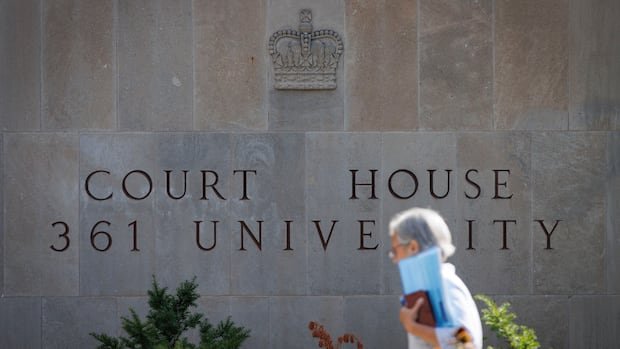

A long-awaited trial is commencing in Toronto on Monday, where the Six Nations of the Grand River is taking legal action against Canada and Ontario, alleging that the Crown unlawfully sold their land and mishandled their trust funds. The Six Nations assert that the Crown designated approximately 384,451 hectares of land along the Grand River in Ontario, referred to as the Haldimand Tract, for them as a gesture of gratitude for their support during the Revolutionary War under the 1784 Haldimand Proclamation.
The Six Nations claim that the Crown neglected to reserve these lands, wrongfully sold most of them to settlers, and mismanaged the proceeds from the land sales. Lonny Bomberry, the lands and resources director for Six Nations, stated that all their assets and territory were relinquished to sustain the colonial government of Upper Canada for six decades. Presently, the Six Nations hold 18,615 hectares of reserve land and have been pursuing justice for over two centuries, including attempting to address the issue at the League of Nations in 1923 and lodging numerous treaty breach claims before initiating the lawsuit in 1995.
The trial will occur in two stages at the Ontario Superior Court under the oversight of Justice Ira Parghi and is anticipated to span nearly ten years. The case comprises 46 individual claims valued between $13.9 billion and $8.7 trillion. Bomberry emphasized that the sum is too substantial to quantify accurately.
Canada’s Statement of Defence argues that the Haldimand Proclamation does not constitute a treaty and did not impose an obligation to establish a reserve. Ontario’s Statement of Defence and Crossclaim echoes this position, asserting that if there was a breach of duty concerning the Haldimand Proclamation, Canada would bear sole responsibility.
Bomberry recollected feeling a profound sense of injustice towards his community during his youth on the reserve. He highlighted that most of the lands granted to the Kanien’kehá:ka and the other five nations in the Haldimand Tract between 1797 and 1845 were confiscated by the Crown, sold, or undervalued without fulfilling the sales’ terms and conditions, leaving the Six Nations destitute.
Robert Janes of JFK Law, a lead counsel for the Six Nations, indicated that they would argue that government officials mismanaged the Six Nations’ funds and misappropriated them. Crown-Indigenous Relations and Northern Affairs Canada expressed respect for the Six Nations’ decision to pursue their claims through the legal system and pledged to collaborate with all parties as the case progresses. Ontario’s Ministry of the Attorney General declined an interview request.
Intervening in the case, the Mississaugas of the Credit First Nation sought to ensure their perspective, stewardship, and history are acknowledged during the proceedings. The court denied a motion by the Haudenosaunee Development Institute to intervene on behalf of the Haudenosaunee Confederacy Chiefs Council, representing the traditional government in contrast to the Six Nations band council formed under the Indian Act.