


A rejuvenated forest can present as tall, vibrant, and verdant. Revived wetlands can hum with insects and flutter with birds. Yet, upon closer inspection, scientists are realizing that some of the tiniest inhabitants, including specific mosses, lichens, algae, and fungi, are frequently absent.
Habitat restoration, such as forests and wetlands, plays a crucial role in aiding declining species of animals and plants, facilitating their resurgence. However, recent studies indicate that the return of these inhabitants is not uniform. Certain minute and inconspicuous species may remain scarce or missing for extended periods, potentially impacting other species.
Ellen Macdonald, a botanist at the University of Alberta, has devoted her career to studying forests, with a focus on the minute flowers, mosses, liverworts, and lichens that flourish in their shadow, amidst their roots, or on the textured surfaces of their bark.
Macdonald emphasized the vast diversity of species within a forest ecosystem compared to tree species. While to the casual observer, a reforested area post-logging may resemble an untouched forest with tall trees, birds, and insects, Macdonald’s keen eye detects subtle discrepancies that hint at missing elements requiring detailed data collection to discern.
Macdonald conducted comprehensive research, amalgamating her findings with global data to analyze the recovery timeline for plants and animals in boreal forests post-clearcutting. The study, recently published in the journal Nature Sustainability, revealed that birch and aspen forests and their inhabitants typically recover within 25 years, whereas conifer forests exhibit a much lengthier recovery period. In conifer forests, understory plants, particularly lichens, mosses, and liverworts, take 85 years or more to reestablish, with some species still absent even after a century.
The phenomenon of delayed recovery is not exclusive to boreal forests. Researchers investigating restored wetlands and other habitats have observed that although these areas may outwardly appear healthy, certain less conspicuous species remain absent.
Viktoria Wagner, an associate professor at the University of Alberta, characterizes this decline as a “silent form of loss,” where species vanish from their former habitats, reducing the overall species richness at individual sites. This phenomenon, termed “dark diversity,” has been identified among plants worldwide, including algae.
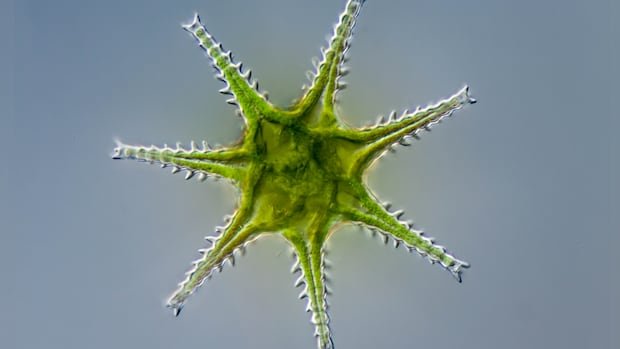
The absence of species can impede the recovery process and have unforeseen repercussions. Despite their small size, algae play a significant role in global oxygen production and food availability. Decreased diversity can disrupt ecosystems, impacting other species down the food chain.
Understanding these recovery patterns can guide landscape managers in preserving biodiversity effectively. Macdonald suggests that selective harvesting or partial cutting in conifer forests could help conserve more species, acknowledging the lengthy recovery time required for mosses, lichens, and understory plants.
Algal habitats face threats globally, endangering the species within them. Despite their inconspicuous appearance to most, algae play a vital ecological role. Efforts are underway to preserve these species, with researchers like Michael Melkonian collecting and cultivating thousands of algal strains to safeguard their existence.
For Wagner, the ongoing loss of species underscores the need for comprehensive habitat preservation and restoration efforts to ensure species persistence across landscapes. Active interventions are essential to counteract continual species loss and preserve biodiversity effectively.
This article is part of a series highlighting the critical work of scientists studying disappearing species groups and the importance of preserving biodiversity for a sustainable future.