

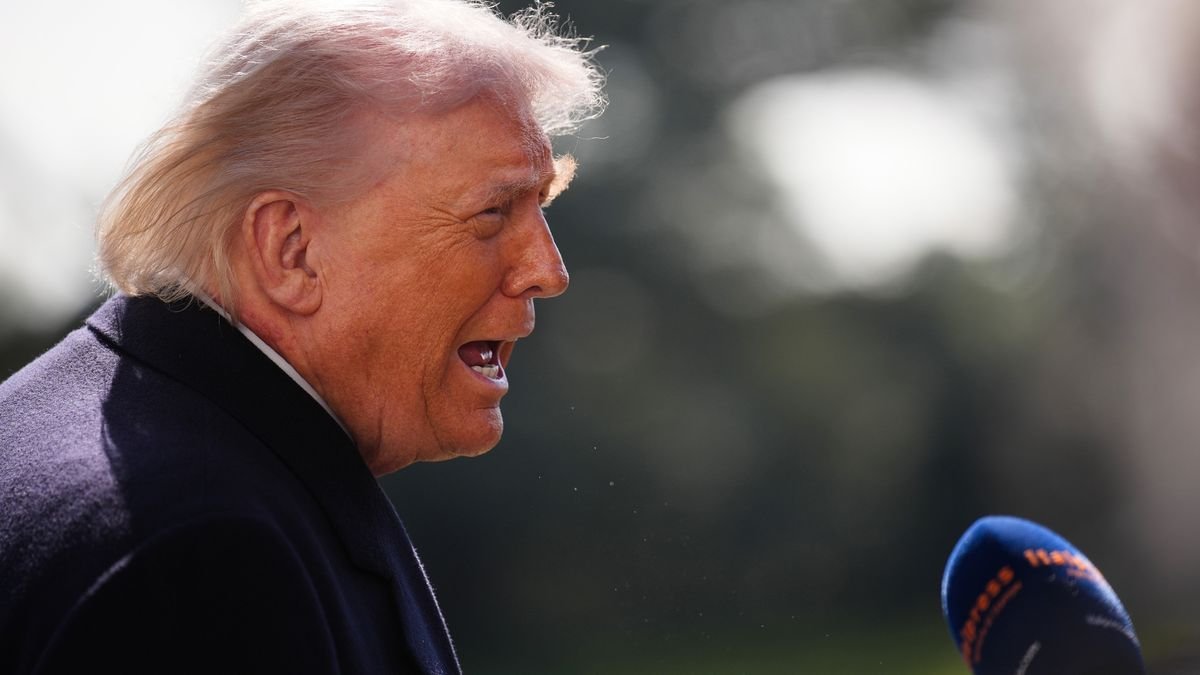

In a surprising move, President Donald Trump declared today that the United States had initiated military actions against Iran in collaboration with Israel. This decision, though anticipated due to Trump’s recent build-up, has raised confusion and skepticism for various reasons.
The announcement, made via a video on Truth Social while wearing a ‘USA’ golf hat, revealed that the US had commenced “major combat operations in Iran” to neutralize imminent threats posed by the Iranian regime. Trump emphasized the objective to eliminate Iranian missiles and dismantle their missile industry. Israel had earlier described the strike as preemptive.
Trump’s justification for the strikes stemmed from Iran’s alleged failure to unequivocally pledge against developing nuclear weapons, despite recent promises during indirect talks facilitated by Oman. Oman’s Foreign Minister expressed optimism for a potential comprehensive agreement within a few months.
The context of the situation includes the US’s withdrawal from the 2015 nuclear deal with Iran under the Obama administration, which Trump terminated in 2018. Trump’s administration views the current negotiations skeptically, suspecting Iran of stalling to protect its nuclear facilities.
Moreover, Iran’s internal fragility following recent protests has widened the gap between the regime and its citizens, creating a potential vulnerability. Despite Trump’s previous promises to avoid costly foreign conflicts, this military intervention contradicts his rhetoric, leading to divided opinions among Americans and his supporters.
While Trump’s base generally opposes prolonged overseas engagements, they seem to favor short-term surgical strikes. Trump’s strategy appears focused on regime change in Iran with hopes of the populace instigating a transformation. However, the success of such a transition remains uncertain given the region’s complex history.
The risks associated with this military action are high for Trump, especially considering his dwindling support base. Any deviation from a targeted strike to a prolonged conflict could alienate his remaining loyalists, threatening his already declining popularity.
In summary, Trump’s decision to engage in military strikes against Iran reflects a departure from his previous pledges and poses significant political risks, particularly in light of his current precarious standing with supporters.