

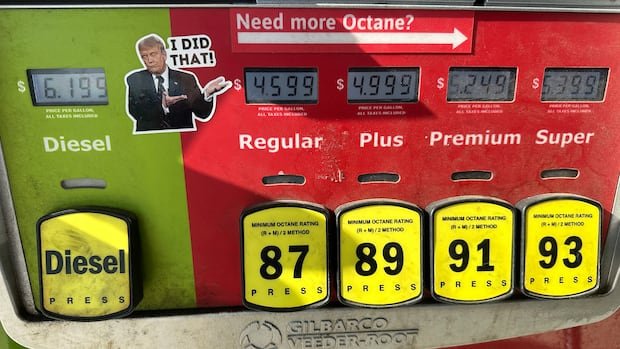

U.S. President Donald Trump has been downplaying concerns about rising prices for nearly a year, attributing them to Democratic tactics. Despite claims of falling consumer prices under his leadership, data shows a contrary trend. Trump’s optimistic projections of declining gas and diesel costs post-Iran conflict have not materialized, adding to voter skepticism.
Multiple polls indicate widespread disapproval among American voters regarding Trump’s handling of inflation, with over 70% expressing dissatisfaction, according to the aggregated data from Silver Bulletin. The latest figures from the U.S. Department of Labor reveal a 3.7% increase in the consumer price index compared to the previous year, primarily driven by surges in fuel and clothing prices.
As the midterm elections draw near on Nov. 3, the economic landscape remains a pivotal issue for voters, as highlighted by Spencer Kimball, the executive director of Emerson College Polling Center. The focus is not on jobs or taxes but on the increasing cost of living, a concern echoed by many Americans.
Trump’s recent campaign efforts in various states signal a last-ditch attempt to bolster Republican candidates struggling in the polls due to economic challenges. Tim Malloy from Quinnipiac University Poll points out that rising gas prices are a significant worry for voters, with Trump bearing the brunt of the blame for unmet promises.
In places like Martinsburg, W.Va., residents are feeling the financial strain, with individuals resorting to food pantries and cost-cutting measures to cope. The impact of rising prices is evident, influencing voter decisions as they head to the polls with economic concerns at the forefront.