

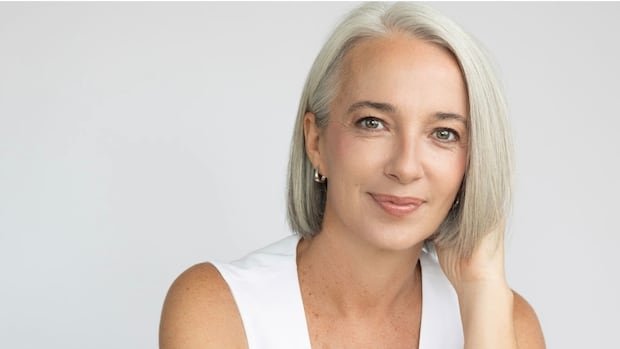

Red light facial masks, Botox, dermal fillers, injectable moisturizers, and wrinkle patches are readily available in the market. Recent studies suggest that women are feeling compelled to maintain a youthful appearance at a younger age.
Megan Lindloff, a psychology PhD from Western University, noticed a surge of anti-aging content on social media and decided to delve into the phenomenon. Her research revealed that exposure to age-related stigma, particularly on social platforms, is driving younger women towards anti-aging treatments like preventive Botox and fillers, instigating anxiety about aging.
In a survey of 415 women aged 18 to 35, Lindloff found that 84% were using products such as retinol and wrinkle patches, while approximately 28% were turning to Botox, fillers, and chemical peels. Surprisingly, the use of these products did not enhance appearance satisfaction; instead, it left women feeling less authentic.
Psychotherapist Katie McKeown regularly encounters women grappling with body image issues and aging concerns. She has observed women in their early 20s resorting to procedures like lip fillers, under-eye fillers, and Botox, marketed as preventative measures to combat aging.
McKeown emphasized that while these procedures may initially boost confidence, they often create a cycle of constantly seeking new enhancements, shifting the focus from one imperfection to the next. She highlighted the importance of embracing the wisdom and growth that comes with age, rather than fixating on staying perpetually young.
Amanda Giorgini, a social media influencer from London, advocates for the “pro-aging movement,” promoting self-acceptance and embracing the natural aging process. Giorgini encourages women to define beauty on their terms, rather than succumbing to societal pressures propagated by social media.
Dr. Anthony Nichols, a facial plastic surgeon, acknowledges the immense beauty standards imposed by social media, particularly on women. He stresses the importance of ensuring the right motivations behind cosmetic procedures, especially for younger individuals, while maintaining caution around invasive treatments.
Despite progress, Lindloff believes there is still a need to challenge age-related stereotypes and amplify positive representations of older women to combat aging stigma effectively.