

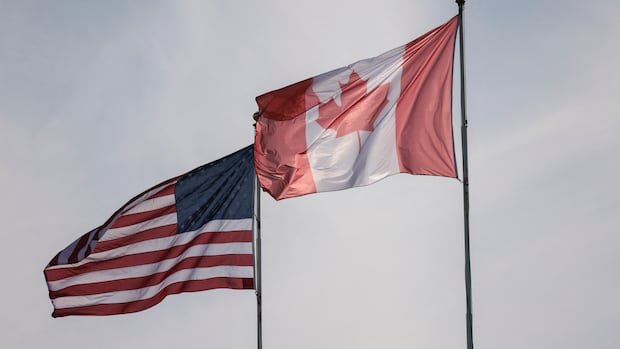

Canada and the United States are engaged in a fierce trade conflict, with potentially significant repercussions. Following the breakdown of trade talks last week, the U.S. imposed a 50% tariff on $27.6 billion worth of Canadian goods. In retaliation, Prime Minister Mark Carney announced counter-tariffs on equivalent U.S. products, set to be implemented on September 8. President Donald Trump has threatened further tariffs, proposing an increase from 25% to 50% on Canadian automobile, truck, auto part, and steel imports starting January 1, 2027.
Both sides are standing firm in their positions, escalating tensions. As the standoff continues, Canadians may increasingly feel the impact. To support workers and businesses affected by the tariffs, Ottawa is allocating $7.5 billion in aid.
Amidst the rising tension, Washington correspondents Willy Lowry, Katie Simpson, and Paul Hunter explore the severity of the trade war and the potential paths to resolution. The situation is expected to pose challenges for Canadian businesses, particularly small to medium-sized enterprises, potentially leading to economic hardship for many individuals and communities.
The need for resilience and unity within Canada is emphasized, with calls for supporting domestic products and industries. However, the disparity in population sizes between Canada and the U.S. underscores the Canadian economy’s dependence on the American market for growth and stability. The prolonged trade dispute could pose significant challenges for Canadian companies and workers.
While past tariffs have been partially mitigated, the current situation reflects a changing dynamic in the Canada-U.S. relationship. There is a sense of uncertainty regarding the future trajectory of the trade war and its implications for both nations. The need for Canadians to stand firm and navigate through these challenges is highlighted, with implications for the broader bilateral relationship.