


After over 25 years as a business administrator, Simon Hardcastle felt he had reached a plateau in his career. While not disliking his job, he found it lacked excitement. However, a pivotal moment came when he tried his hand at operating a skid steer to clear snow at work. This experience sparked a desire for change within him.
Deciding to transition from a desk job to a skilled trade was not a simple decision for Hardcastle. It meant temporarily forgoing a stable income and adjusting to a single-income household while supporting his two children. Despite the challenges, he was resolute in his choice.
Skilled trades are gaining popularity among Canadians as a viable career path, especially with government investments in these fields and concerns about the impact of artificial intelligence on traditional desk jobs. Career experts note a growing interest among mid-career individuals looking to switch professions, but many are unsure of where to start.
Rachel Buesink, the general manager at Express Employment Professionals in Hamilton, emphasizes the importance of exploring various trade opportunities to align with personal strengths and interests. While initial interest is essential, misconceptions about the trade industry can hinder progress. Buesink highlights the extensive training and commitment required for trades like carpentry, which can involve years of schooling and apprenticeship.
Shelley Gray, CEO of SkilledTradesBC, suggests that exposure to the desired industry can solidify career decisions. Sampler programs and pre-apprenticeships can provide valuable insights and facilitate entry into full-time programs or employment opportunities.
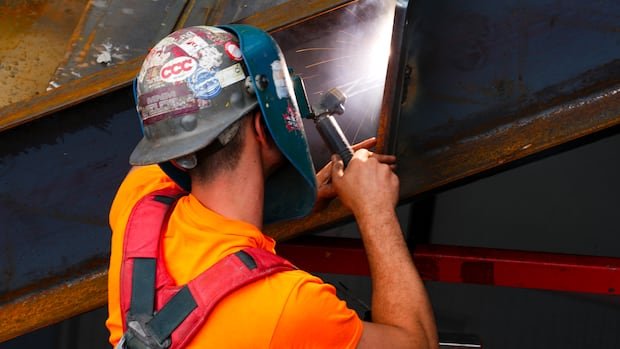
Transitioning careers into the skilled trades involves understanding the demands of the industry, matching strengths with trade opportunities, and adapting to evolving economic needs. Managing financial responsibilities during the transition period, which often entails a temporary wage cut, can be challenging. However, options like employment insurance and apprenticeships can provide some financial support.
For Hardcastle, becoming a heavy equipment operator required careful financial planning and certification. While certification timelines vary, becoming proficient in trades like truck driving, welding, or electrician work can take months to years. Finding a supportive employer to sponsor training is crucial, as most apprenticeship learning occurs in the workplace.
Although the journey to a well-paid skilled trade job may take time, job satisfaction and competitive wages are common outcomes. Hardcastle’s experience exemplifies this, as he now enjoys operating heavy machinery without sacrificing his income.
In essence, transitioning to a skilled trade involves perseverance, commitment to learning, and a willingness to adapt to new challenges. The satisfaction and fulfillment found in pursuing a passion can outweigh the initial hurdles of changing careers.