

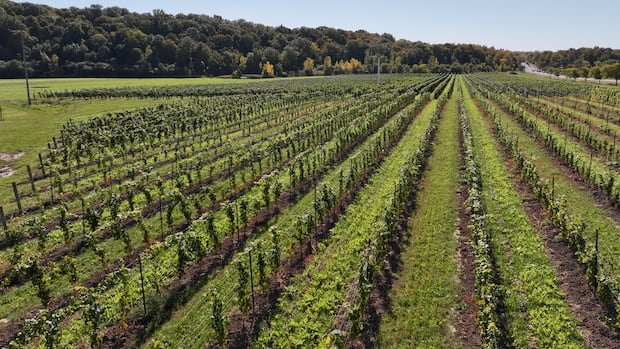

U.S. President Donald Trump has issued a directive to halt the import of Canadian alcohol starting later this month. The move has negatively impacted a winery in Ontario’s Niagara region, hindering its ability to sell to American buyers due to the substantial tariffs imposed as of August 22. Jamie Slingerland, the director of viticulture at Pillitteri Estates Winery, expressed concerns about the competitiveness of their products in the market given the high tariffs.
The winery, based in Niagara-on-the-Lake, Ontario, has five key buyers in the U.S. who appreciate their distinctly Canadian offerings but are now left dismayed by the situation. Trump recently signed proclamations, including a ban on the import of alcoholic beverages effective September 29, along with imposing a 50 percent tariff on various goods like whey, molasses, furniture, and paper and wood products.
This development comes after nearly two years of escalating trade tensions between Canada and the U.S. Anticipating the tariffs, Pillitteri Estates Winery took proactive measures by accelerating its export schedule, shipping products four months ahead of time. Slingerland highlighted that their buyers are storing the wine until closer to the holiday season.
Despite the challenges, the family-owned winery was able to swiftly adapt due to its smaller and independent nature. Slingerland emphasized that they are maintaining operations without layoffs or production cuts, forging ahead amidst the trade disruptions.
Ontario boasts 186 wineries that contribute significantly to the economy, generating around $711 million in revenue and supporting approximately 22,000 jobs, according to the Grape Growers of Ontario. The industry’s economic impact on the province amounts to $5.49 billion, encompassing taxes, tourism, and suppliers, as per a study by Wine Growers Ontario in 2019.
In response to businesses affected by trade disruptions, Grape Growers recommended exploring federal support programs like the Regional Tariff Response Initiative. John Boynton, president of Arterra Wines, expressed disappointment over the import ban, stressing the need for stability and predictability in the industry. He underscored the challenges posed by using alcohol products as leverage in the ongoing trade disputes.
Both Slingerland and Boynton urged the federal government to extend the Wine Sector Support program, scheduled to conclude on March 31. Agriculture and Agri-Food Canada affirmed its commitment to collaborating with the Canadian wine industry to enhance competitiveness and resilience amidst the current circumstances, citing the program’s $343 million support to wineries over five years.