


Farm producers in Alberta are closely monitoring the provincial referendum, as several ballot questions could have a significant impact on their operations, including their reliance on temporary foreign workers. Five out of the ten referendum questions focus on immigration policy, assessing support for various measures such as service fees and health-care waiting periods for non-permanent residents.
Alberta plays a crucial role in the nation’s farm revenue and beef processing, with many major operations depending on temporary foreign workers. Producers are concerned that the referendum’s measures regarding non-permanent residents could disrupt their workforce, posing challenges in retaining skilled workers.
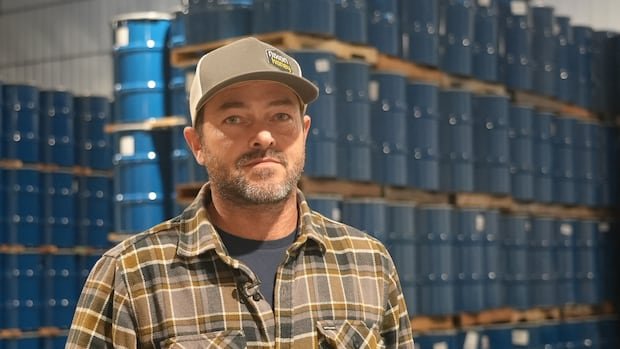
Kevin Nixon, the owner of Nixon Honey Farm in Red Deer County, emphasized the essential role of foreign workers in their operations, stating that without them, their livestock would suffer. Nixon highlighted the specialized skills required for managing beehives, which are often difficult to find locally. The farm relies heavily on about 20 temporary foreign workers from Mexico each season, who bring valuable experience and expertise.
Similarly, at the JBS Foods plant in Brooks, where about 400 temporary foreign workers are employed, union representative Adriana Salguero pointed out the critical roles these workers play in beef processing. The referendum questions have raised concerns among workers, questioning the fairness of the proposed changes.
Policy analyst Ohi Ahmed warned that referendums create political uncertainty that could hamper agricultural productivity in Alberta. Chronic labor shortages have already cost the national sector billions in sales, with Alberta’s agri-food sector projected to rely more on foreign labor due to an aging workforce.
The potential labor uncertainty adds to the existing challenges faced by the agricultural sector, according to Aaron Stein, the executive director of the Alberta Federation of Agriculture. He highlighted various factors affecting farm competitiveness, including rising costs and international market competition.
If the referendum questions on immigration receive majority support, the Alberta government aims to work with employers to address workforce needs without straining public services. Temporary foreign workers make up a small percentage of Alberta’s labor force, with primary agriculture exempt from recent federal low-wage TFW cap reductions.
Kevin Nixon emphasized that hiring foreign workers is not about cheap labor, as additional costs such as housing and transportation make it more expensive than hiring locally. He also highlighted the misconception about the impact of seasonal foreign workers on the public health system, noting that he provides private health insurance for his crews.
Nixon stressed the broader implications of the debate, emphasizing the importance of producing food domestically and the role of honeybee pollination in supporting crop growth.