

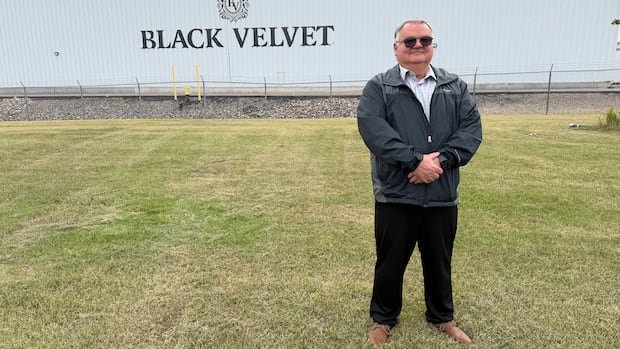

A U.S.-based distillery marked the 75th anniversary of the Black Velvet whisky brand produced in Lethbridge this week. Despite the celebratory atmosphere at the event, recent tariffs have caused uncertainty for the business, according to Claude Bilodeau, Vice President and General Manager of Black Velvet Distilling Company, a subsidiary of Heaven Hill Brands in Kentucky.
New U.S. tariffs of 50% on various Canadian exports, including alcohol, went into effect on August 22. In response, the Canadian government announced counter-tariffs on $27.6 billion worth of U.S. goods, set to take effect soon.
The Lethbridge facility produces approximately 10 million liters of whisky annually, with the majority being sold in the United States after bottling. Bilodeau expressed concerns about the short-term negative impact of the tariffs, emphasizing the uncertainty about the long-term consequences.
Bilodeau expressed hope for a trade agreement between Canada and the U.S. to mitigate the effects of the tariffs. Regarding the possibility of halting whisky production in Lethbridge due to tariffs, he stated that the company is unsure about the future outcomes.
Black Velvet whisky, formerly known as “Black Label,” has been produced at the Lethbridge distillery since 1973, alongside Black Velvet Canadian Whisky and Golden Wedding Canadian Whisky.
Looking ahead, Bilodeau anticipates adding a small bottling line to the Lethbridge distillery by late October or early November to cater to the Canadian market. Despite the trade tensions, he remains optimistic about the future, especially with the reintroduction of bottling in Lethbridge and the launch of new products.
Another Canadian whisky maker, Highwood Distillers, based in High River, Alberta, closely monitors the tariff situation to manage costs effectively. The company has been proactive in importing directly into Canada to avoid U.S. middlemen, reducing exposure to potential tariff impacts.
Highwood Distillers, which includes brands like Centennial and White Owl whiskies, shifted focus to the Canadian market after a flood in 2013 and remains committed to domestic growth rather than re-entering the U.S. market.
Both distilleries navigate the challenges posed by tariffs, aiming to secure their positions in their respective markets and sustain growth amid the trade uncertainties.