

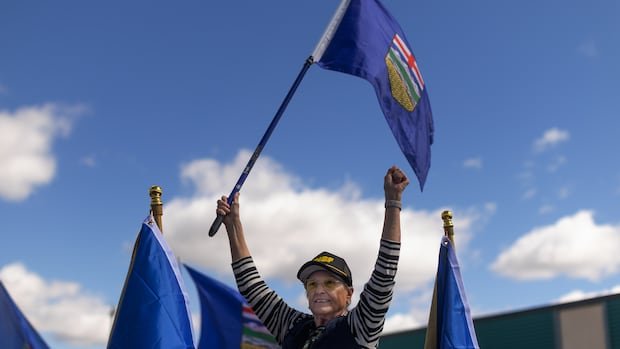

A recent study by the Canada West Foundation cautions against Alberta’s potential secession due to significant economic risks and political uncertainties. The Calgary-based think-tank estimates the setup costs for an independent Alberta to be around $200 billion, highlighting concerns about a possible economic downturn.
The report, titled “Alberta in Confederation,” delves into various separation-related issues such as constitutional negotiations, Indigenous rights, market access, and labor supply. Notable contributors to the report include Ted Morton, a former Progressive Conservative MLA, and Adam Legge, President of the Business Council of Alberta.
With less than two months until the Oct. 19 referendum, where Albertans will decide on staying in or leaving Canada, the foundation’s President, Gary Mar, aims to provide voters with crucial information rather than settle the debate. He emphasizes the murky economic future that could result from separation.
The report outlines that establishing an independent Alberta could cost over $200 billion upfront, with recurring annual costs exceeding $50 billion. This includes assuming a share of the federal net debt, setting up new trade agreements, and taking over federal transfers for essential services. There are concerns that such a move could shrink Alberta’s economy, leading to job losses and decreased investments.
Moreover, shifting monetary policy decisions, potentially adopting the U.S. dollar, or retaining the Canadian dollar post-separation could further complicate matters. The report projects a significant increase in debt per person in Alberta following separation, raising it to between $80,000 and $95,000 per individual.
The study also questions the ability of an independent Alberta to attract enough workers, especially if there is a surge in oil production. It highlights the risk of businesses relocating, similar to what occurred in Quebec during its sovereignty referendum. Additionally, concerns are raised for post-secondary students who may face international tuition fees if studying in other Canadian provinces.
The complexities of Alberta’s secession process are underscored, emphasizing the intricate negotiations and challenges involved. The need for discussions with Indigenous groups is highlighted, requiring substantial expert resources and potentially reshaping internal boundaries within the province.
In response to the report, Keith Wilson from the pro-separation group Let Alberta Decide acknowledges the identified complications but argues that the outcomes could be managed effectively. Despite recognizing the grievances fueling the separatist movement, the report stresses the positive aspects of Alberta’s relationship with Canada.
While the report acknowledges Alberta’s discontent, it falls short of providing a concrete roadmap for addressing concerns, leading to calls for continued dialogue with Ottawa for meaningful change.