

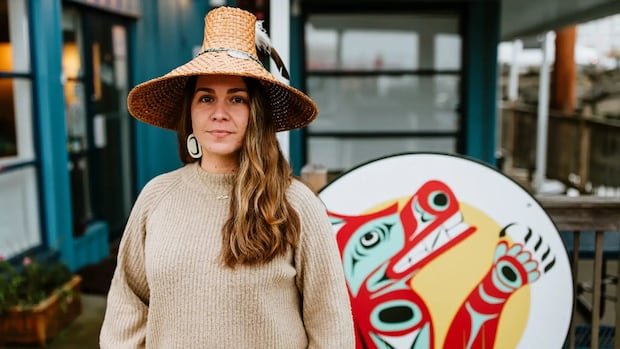

A recent survey by the Angus Reid Institute, commissioned by Intrepid Travel, reveals that less than half of individuals in British Columbia feel confident in locating and selecting Indigenous-led tourism experiences. According to the poll, only 47% of respondents in British Columbia expressed confidence in their ability to find and choose such experiences.
Despite these findings, tourism operators on Vancouver Island are reporting a surge in activity during their peak seasons. Homalco Wildlife and Cultural Tours in Campbell River, managed by Chyanne Trenholm, has observed its best season in 26 years of operation. Trenholm highlighted the success of their grizzly bear tours, noting daily sightings that have been particularly thrilling.
Homalco Wildlife and Cultural Tours, owned by the Homalco First Nation, has expanded its offerings to include various experiences like whale watching and cultural tours. Trenholm emphasized that despite growth, their core mission remains unchanged – to be stewards of the land and share their stories authentically.
Indigenous-led tourism denotes experiences owned and operated by Indigenous nations, communities, or individuals. The survey revealed that 63% of Canadian participants cited a lack of information as a barrier to engaging with Indigenous tourism.
Contrary to the survey results, operators like Melissa McClurg from Songhees Tours and Mike Willie from Sea Wolf Adventures and Coastal Rainforest Safaris are witnessing strong interest and engagement with their cultural tours. McClurg emphasized the importance of understanding the traditional lands visitors explore and providing a welcoming environment for cultural exchange.
Willie, who founded Sea Wolf Adventures after a spiritual journey in Kingcome Inlet, highlighted the significance of sharing intergenerational stories and cultural pride through their tours. He emphasized the uniqueness of their experiences, rooted in personal histories and connections to the land.
During the off-season, operators like Willie focus on marketing strategies and international outreach to promote Indigenous-led tourism. By educating travel agents abroad on how to sell these experiences, they aim to expand their reach and showcase the distinct cultural heritage of their territories.
In addition to benefiting guests, Indigenous tourism plays a crucial role in empowering local communities through employment and capacity-building initiatives. Willie underscored the importance of Indigenous voices being at the forefront of tourism experiences, offering authentic narratives that have been historically overlooked.
Overall, the survey conducted by the Angus Reid Institute sheds light on the challenges and opportunities in Indigenous tourism, emphasizing the importance of promoting and supporting these unique cultural experiences.