

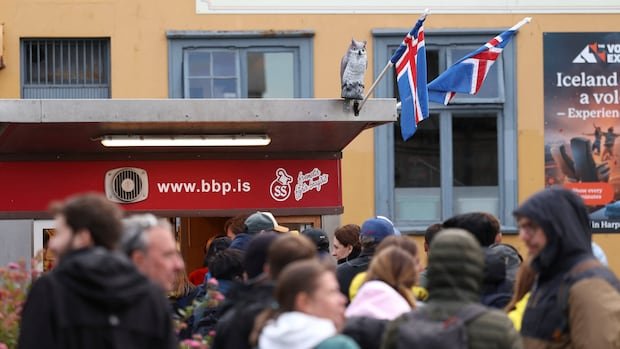

Icelandic voters have decided to remain outside the European Union, according to the results of a referendum released on Sunday. The government’s efforts to initiate discussions on EU membership were rejected as citizens emphasized the critical importance of Iceland’s fishing grounds.
With a population of 400,000, the Arctic nation has been deliberating EU accession for more than ten years. Initial expectations favored opening membership talks, but recent opinion polls indicated a shift in sentiment. In the referendum held on Saturday, 52.8% of votes opposed the government’s proposal for negotiations with Brussels, while 47.2% supported it. An impressive 82.5% voter turnout was reported, with only central Reykjavik showing a majority in favor, while rural areas and suburban Reykjavik voted against.
The government positioned EU membership as a safeguard against trade disputes and Arctic tensions, portraying the referendum as a crucial decision. Prime Minister Kristrun Frostadottir highlighted that a “no” vote would likely conclude the debate during her coalition’s term in power.
In Brussels, some officials expressed optimism that Iceland’s potential EU accession could alleviate skepticism towards enlargement and fortify the bloc strategically amidst Arctic security concerns. The discussion also touched on whether EU membership could enhance Iceland’s security, particularly with uncertainties raised by U.S. President Donald Trump regarding NATO commitments and his interest in Greenland.
However, for many Icelanders, the focus remained on the fishing industry, a significant contributor to the country’s economy. Concerns about high inflation and interest rates were central to the referendum discussions, with proponents of EU membership suggesting potential economic benefits, including adopting the euro. Iceland’s current central bank interest rate of 8% contrasts with the European Central Bank’s 2.25%.
Opposition leader Gudrun Hafsteinsdottir, leading the “no” campaign, challenged the notion that EU membership would address Iceland’s economic challenges, emphasizing the need for domestic solutions. Voters like Ragnhildur Skarphedinsdottir, 70, expressed confidence in Iceland’s self-sufficiency and voted against EU talks, citing a positive outlook for their independent future.
Amid debates on fishing quotas and control over waters, Icelandic officials have debated the extent of sovereignty under EU regulations. While assurances of flexibility have been proposed, concerns persist over long-term implications.