

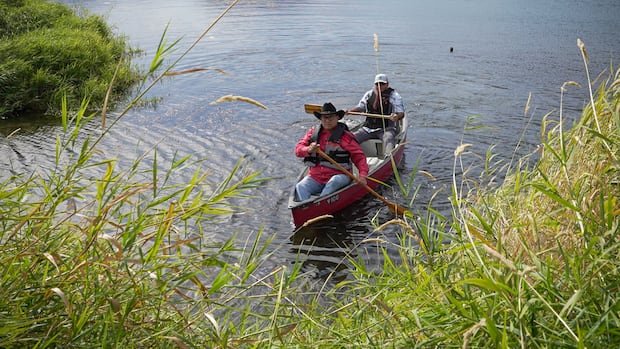

After losing his 31-year-old son to an overdose over a year ago, Rob Louie is leveraging his personal journey of recovery to communicate with individuals battling addiction. Louie recently navigated the Kootenay River, crossing the Canada-U.S. border, in a symbolic expedition aimed at shedding light on the perilous drug crisis and the prospect of healing. This particular route holds cultural significance for the Ktunaxa people, spanning generations.
Reflecting on his own struggles with addiction, Louie disclosed that he has remained sober and in recovery for more than a year, a milestone intertwined with the grief of losing his son. He expressed regret, pondering what more he could have done to prevent his son’s demise.
Hailing from Yaqan Nuʔkiy, Louie embarked on the paddle as a tribute to his son, retracing a historic river path significant to his indigenous community, which includes Ktunaxa First Nations. The Ktunaxa Nation faced a state of emergency in 2021 due to addiction concerns, mental health issues, and service gaps, reflecting the broader struggles within the indigenous population.
Despite urban areas reporting the highest drug-related deaths, rural and remote regions in British Columbia have been severely impacted per capita. Efforts to enhance culturally sensitive healing practices persist, with Dr. Nel Wieman emphasizing the importance of community-led programs for saving lives.
Louie’s fundraising efforts during his journey aimed at gathering funds for essential personal-care items for individuals entering the Seven Nations Soaring Eagle Treatment Centre in Creston, underlining the significance of small gestures in rebuilding self-esteem and self-care.
Louie’s experience navigating his own recovery and the tragic loss of his son has driven him to advocate for addiction treatment and highlight the potential for healing. His annual recovery paddle along the historic Kootenay River signifies his commitment to championing recovery and healing for those still struggling with addiction.