

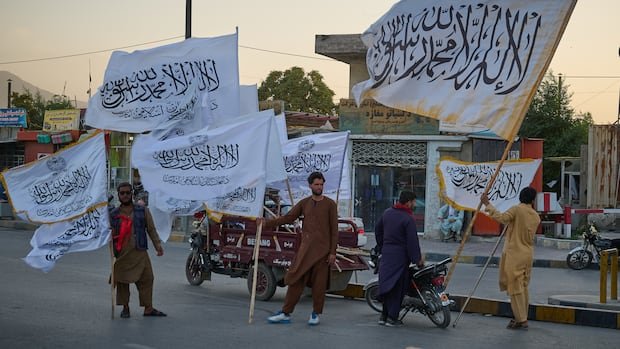

Abdul Razaq Khan, a former translator and guide for Canadian journalists during the Afghan conflict, received a late-night message five years ago from a journalist he had assisted in Kandahar. At that time, he had relocated to Kabul after the Canadian withdrawal to work at USAID. In 2021, as the Taliban made advances towards Kabul, Khan, now residing safely in Canada, reflected on the events leading to the rapid fall of the western-backed government.
Having to leave his homeland, Khan expressed his struggles in comprehending the loss of his job, home, and country, stating, “No one leaves their country willingly.” Evading Taliban gunfire by crossing into Pakistan on foot, Khan, like many Afghan nationals who worked with Western entities, faced threats due to his association with Canadian media outlets.
The Taliban’s resurgence not only displaced numerous Afghans but also ushered in a strict fundamentalist rule erasing women from public life, stifling media freedom, and enforcing rigid moral codes. The Zan Times, an Afghan women’s advocacy group, highlighted the escalating violence against women in Afghanistan, citing a lack of justice. The organization revealed that Taliban authorities rarely arrest perpetrators of violence against women, often dismissing cases as suicides, creating impunity for such crimes.
Efforts to protect Afghan women’s rights post-2021 collapse have mainly relied on diplomatic condemnations and targeted sanctions, as Western countries struggled to directly enforce these rights within Afghanistan. While some nations implemented special visa programs for high-risk Afghan women, reports indicate shortcomings in evacuation and resettlement efforts across allied nations.
Canada, for instance, resettled over 60,000 vulnerable Afghans post-Taliban takeover, surpassing its initial target of 40,000. Despite these efforts, thousands remain at risk under the Taliban’s rule. Calls have been made to reopen programs to aid vulnerable Afghans still in Afghanistan. U.S. Senator Chris Coons emphasized the importance of honoring promises made to those who supported American and NATO forces, urging continued efforts to uphold commitments in this critical chapter of recent history.