

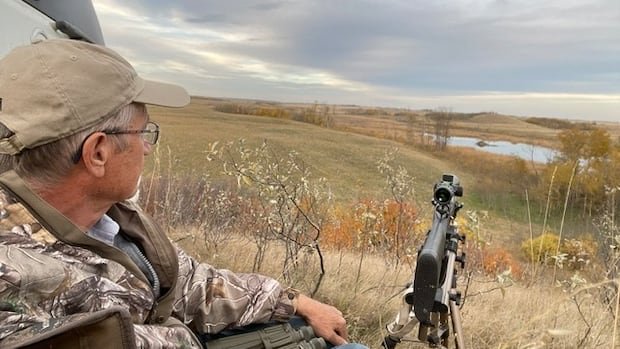

Ken Erickson, a seasoned hunter in Saskatchewan since 1971, decided to halt his pursuit of certain animals due to concerns over chronic wasting disease. With the conclusion of a provincial testing program, other hunters are contemplating a similar course of action.
The Saskatchewan government opted to discontinue its chronic wasting disease testing initiative after facing low participation among hunters. This disease impacts the neurological systems of cervids like deer, elk, and moose. Despite no reported cases in humans, Erickson, cautious due to his wife’s compromised immune system, chose not to jeopardize his family’s well-being.
A native of Thunder Bay, Ontario, Erickson began hunting at a young age and has amassed extensive experience hunting in the prairies since relocating to Regina in the ’70s. Although he now focuses on bird hunting due to challenges with handling large game solo, he expressed a desire to hunt deer again if not for the CWD risk.
Criticism has emerged over the government’s decision, with Darrell Crabbe, the executive director of the Saskatchewan Wildlife Federation, emphasizing the program’s importance in ensuring safe meat consumption for hunters. The province plans to monitor wildlife health and populations through alternative methods following the program’s termination.
Chronic wasting disease has been detected in 63 of Saskatchewan’s 83 wildlife zones since data collection began. Mandatory testing zones include 43, 47, 49, 50, 53, and 55-69, with samples from these areas submitted by October 31 to be processed. However, samples from voluntary submission zones will not undergo testing.
Concerns have been raised about potential consequences, including the disease spreading if hunters abandon carcasses and a rise in targeting younger animals perceived to be less susceptible to CWD. Crabbe highlighted that a significant portion of hunting license sales revenue funded the program, making the financial impact of its termination substantial.
Ryan Brook, a professor at the University of Saskatchewan, criticized the sudden discontinuation of the program, emphasizing the need for ongoing data collection and suggested actions like banning baiting to address transmission issues. Calls for the government to reinstate the program and establish a wildlife advisory committee for improved coordination in 2027 have been voiced by the hunting community.