


In the Sumas First Nation near Abbotsford, British Columbia, Chief Dalton Silver mentioned that residents have become accustomed to oil spills. The storage, rerouting, and transportation of crude oil have been ongoing in the First Nation’s ancestral lands for many years. Despite Silver’s opposition to the Trans Mountain Expansion Project in 2024, he is now preparing to challenge the proposed Pacific Link pipeline, which is planned to follow a similar path.
Chief Silver expressed concerns about the potential impact of the Pacific Link pipeline on their territory, particularly on the community’s drinking water. He criticized the lack of inclusivity in the project’s development and highlighted the threats it poses to the environment, wildlife, and their way of life.
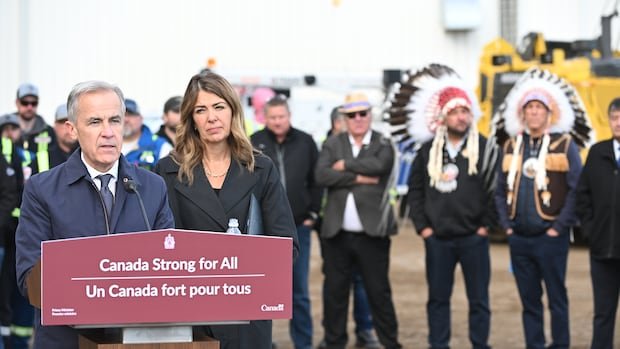
Several Indigenous leaders, including Chief Silver, have voiced apprehensions regarding the Carney government’s pipeline initiatives. While some leaders are interested in advancing the project, others feel marginalized in the decision-making process despite the anticipated repercussions on their communities.
Chief Raymond Powder of the Fort McKay First Nation welcomed the economic prospects associated with the Pacific Link pipeline but raised reservations about the tight timeline set by Prime Minister Mark Carney. Powder emphasized the importance of meaningful Indigenous participation in the project discussions to address long-term environmental concerns and ensure sustainable development.
An overarching concern among Indigenous leaders is the management of oilsands tailings, which can have detrimental effects on the environment and water sources. Treaty 8 Grand Chief Trevor Mercredi stressed the need for thorough consideration of these issues, highlighting that attending announcements does not equate to approval or consent for the project.
The federal government, through Environment Minister Julie Dabrusin’s spokesperson, emphasized collaboration with Indigenous partners and stakeholders to safeguard health, Indigenous rights, and the environment. Efforts are being made to explore solutions for managing oilsands tailings and enforcing regulations to protect water quality under the Fisheries Act.
Mercredi emphasized the importance of inclusive dialogue in project discussions and expressed concerns about the equitable distribution of benefits among Indigenous communities. While some communities see economic opportunities in the pipeline project, others are wary of its environmental impact but acknowledge the pressing need for funding in critical areas like education and infrastructure.
In conclusion, Indigenous leaders are cautiously optimistic about Prime Minister Carney’s commitments to consultation and consent. They underscore the necessity for genuine engagement and meaningful involvement in decision-making processes to ensure the well-being of their communities and the environment for future generations.