

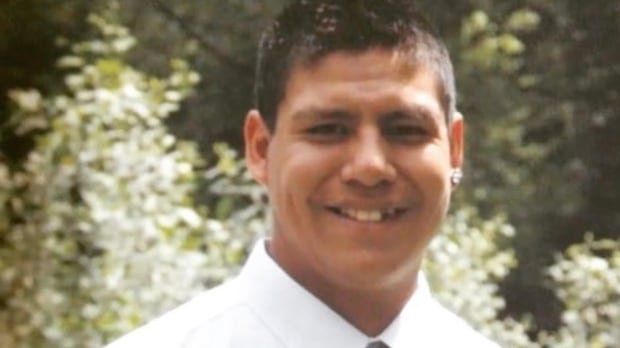

A public inquiry is set to commence on Tuesday regarding the fatal shooting of a 28-year-old man from the Tla-o-qui-aht First Nation by the Tofino RCMP in 2021, following what law enforcement referred to as a wellness check.
Julian Jones, known affectionately as JJ by those close to him, was fatally shot by police at a residence in Opitsaht, a village within the First Nation near Tofino, British Columbia. His death has raised questions and concerns among many members of the close-knit First Nation community regarding the role of police, prompting leaders to call for a thorough examination.
The inquiry is scheduled to begin in Port Alberni on Tuesday at 9:30 a.m., aiming to shed light on the circumstances surrounding Jones’s death. Elmer Frank, the chief councillor of the Tla-o-qui-aht First Nation, expressed relief that an inquiry is being conducted into Jones’s death.
Coroner’s inquests do not assign blame or criminal liability but are intended to serve the public interest by uncovering the facts and context surrounding a death. Ultimately, the inquiry will provide non-binding recommendations aimed at preventing similar incidents in the future.
In the events leading to the tragedy on February 27, 2021, two RCMP officers responded to a call reporting a woman’s sexual assault and captivity. According to a report by the Independent Investigations Office (IIO), the officers apprehended one individual outside the residence and encountered Jones wielding two metal files as weapons.
The report indicates that one of the officers deployed a Taser on Jones. Subsequently, when Jones advanced towards the officers after getting back up, they fired at him three times, resulting in his fatal injury. Following an investigation, the IIO announced in 2022 that no charges would be recommended against the involved officers.
Family members, particularly Jones’s relatives, have expressed frustration with the limitations of the inquiry. Laura Manson, Jones’s sister, fondly remembers him as a caring individual who took pride in celebrating his Tla-o-qui-aht heritage through music and dance with loved ones. His tragic death has had a profound impact on the family, especially his surviving brother, who is deeply traumatized by witnessing the incident.
Manson voiced disappointment that neither police officers nor other individuals involved in her brother’s death are mandated to testify during the inquiry. Additionally, she lamented that the inquiry comes too late for her late mother, who passed away a year prior without seeing justice served for her son.
Jones’s death has catalyzed a broader call for reform within the community. The incident occurred within a year of the fatal police shooting of another young member of the Tla-o-qui-aht First Nation, Chantel Moore, during a wellness check in New Brunswick. These incidents eroded trust among Tla-o-qui-aht members, leading to the establishment of a protocol requiring RCMP to be accompanied by a designated member when entering the nation.
To prevent future tragedies, the Tla-o-qui-aht First Nation and the Nuu-chah-nulth Tribal Council have demanded enhanced accountability, transparency, and policing reforms within their communities. Leaders have called for collaboration with law enforcement agencies and governments to enhance trust and reduce risks, while reevaluating the role of police in conducting wellness checks.
Judith Sayers, president of the Nuu-chah-nulth Tribal Council, expressed a desire for answers regarding the circumstances of Jones’s shooting and why a community member was not involved in de-escalating the situation. She emphasized the need for culturally sensitive and trauma-informed bodies to conduct wellness checks, asserting that police may not be the most suitable choice for such interventions.