

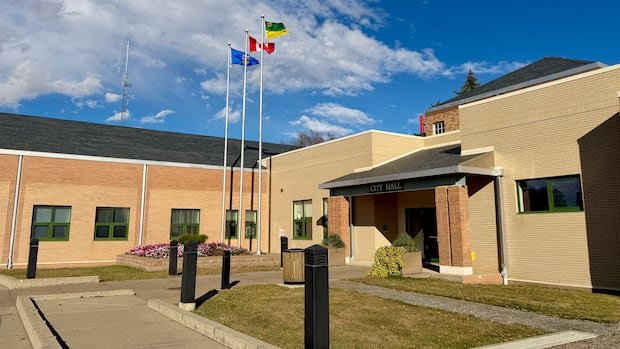

City officials in Lloydminster are embarking on efforts to establish affordable transportation services for low-income residents. During a recent meeting on October 5, the city council instructed the administration to formulate a transportation access program (TAP) for potential implementation. This initiative aims to offer subsidized taxi fares to low-income individuals, mirroring the city’s existing senior taxi program, where seniors can acquire $6.50 vouchers for one-way taxi trips.
Lloydminster, situated on the Alberta/Saskatchewan border and home to around 32,000 residents, presently lacks a public transportation system. Following a transportation survey that garnered about 450 responses and insights from social organizations and businesses, Mayor Gerald Aalbers noted that only 128 respondents expressed willingness to pay more for a transit program. He emphasized the challenge of designing programs to benefit the majority of the city while acknowledging that not all residents may be served.
The estimated first-year transit costs for on-demand service total approximately $2.2 million, with fixed-route system costs amounting to $2.5 million. Subsequently, annual operating costs are projected to decrease to $1.5 million and $1.2 million, respectively. Funding these options would necessitate tax hikes of five percent and six percent initially, followed by a three percent increase annually.
Mayor Aalbers anticipates that the specifics of the transportation access program will be presented to the council for review early in 2027. Meanwhile, Lana Lane, the chair of the Hub of Healing, a local organization fostering collaboration among social entities, highlighted the critical need for a transit system. She emphasized the multifaceted benefits of transportation, including enhanced health access and community connections.
For individuals without personal vehicles in Lloydminster, alternative transportation means include walking, biking, or taking taxis. Qualified residents may also access transportation through Border City Connects, a non-profit organization aiding individuals with disabilities or seniors. Mike Sidoryk, the interim executive director of Border City Connects, mentioned various programs offered by the organization, such as the CareAvan medical transport service and the Express program facilitating intra-city travel.
While other communities of similar size in the province have introduced public transportation, Lloydminster has yet to establish a comparable system. Cold Lake, positioned about 170 kilometers north of Lloydminster with a population of 17,815, initiated its transit program in 2015. The city currently operates two fixed transit routes on weekdays and Saturdays at no cost to riders, aiming to provide affordable transportation options across its distinct areas.
In contrast, the Town of Okotoks, located south of Calgary, is phasing out its subsidized taxi program to transition to fixed-route and on-demand transit services starting in January. Sian Anderson, the town’s community and social development team leader, affirmed that service levels for residents will remain consistent, emphasizing the accessibility of the new transit systems.
Adam Mildenberger, the transit program lead for the Town of Cochrane, highlighted their hybrid system comprising three fixed routes along key corridors and on-demand services for neighborhoods situated farther from these routes. With a population of 39,397, Cochrane witnesses approximately 80,000 annual riders on its transit system, fostering community connectivity beyond mere transportation.
The push for affordable transportation solutions in Lloydminster underscores the growing demand for inclusive mobility options that cater to the diverse needs of residents.