

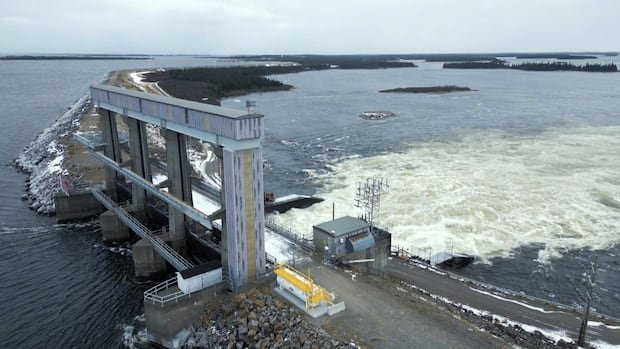

As discussions intensify over the potential new Churchill Falls agreement, a former civil servant highlights a significant clause that could benefit Newfoundland and Labrador. The updated deal includes a provision for guaranteed transmission access of 985 megawatts through Quebec, enabling the province to export Churchill River electricity to other markets via Hydro-Quebec’s network. This arrangement allows Newfoundland and Labrador to sell surplus electricity, such as to Massachusetts, enhancing economic opportunities.
Unlike the previous agreement, the new deal secures transmission access rights for Newfoundland and Labrador, addressing concerns about energy allocation. The details were confirmed by a knowledgeable source, speaking on condition of anonymity to CBC. The potential inclusion of this provision has been praised by observers like Ron Penney, emphasizing its positive impact on the province.
Premier Tony Wakeham has emphasized the need for a favorable agreement that prioritizes Newfoundland and Labrador’s interests. While negotiations progress, Quebec Premier Christine Fréchette has expressed optimism about reaching a timely resolution to ensure long-term energy security for her province.
Despite the positive developments, uncertainties remain about finalizing the Churchill Falls deal. Pending issues are close to resolution, with both governments aiming for an official announcement soon. Former Deputy Minister Ron Penney cautions that potential political changes in Quebec could influence the agreement’s fate, urging a cautious approach.
Political leaders in Newfoundland and Labrador, including Liberal Leader John Hogan and NDP Leader Jim Dinn, await further details of the agreement. Concerns about the limited timeframe for securing a deal and the impact of the Quebec election are raised, indicating the complexities involved in finalizing the agreement.
The possibility of a referendum on the agreement appears unlikely, with calls for transparent parliamentary debates to ensure public engagement. NDP Leader Jim Dinn advocates for inclusive discussions in the House of Assembly, emphasizing the importance of informed decision-making.
As stakeholders await further developments, the focus remains on securing a mutually beneficial agreement that safeguards the interests of Newfoundland and Labrador. The evolving negotiations underscore the significance of transparent governance and public participation in shaping critical energy agreements.