

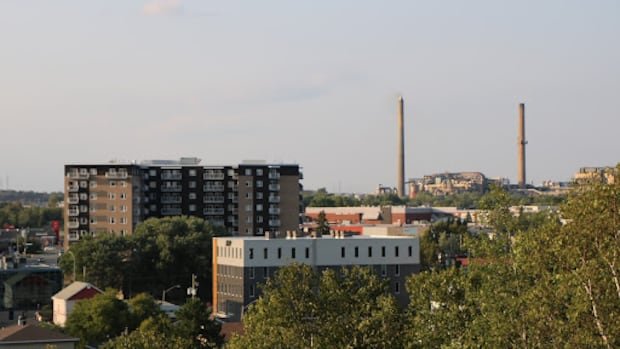

Health experts in Rouyn-Noranda, Quebec, are urging the incoming Quebec government not to grant any more extensions to the contentious Horne Smelter and to uphold the emission reduction deadline set by the previous administration. In February, Glencore Canada, the smelter’s owner, announced it would not be able to meet government-mandated arsenic emission levels by March 2027, leading to the withdrawal of a $300 million investment plan and potential closure threats.
Subsequently, the province granted a two-year extension to the Horne Smelter to reduce arsenic emissions to 15 nanograms per cubic meter (ng/m³) and decrease other pollutants like lead and cadmium. Dr. Omobola Sobanjo, the public health director for Abitibi-Témiscamingue, emphasized the importance of sticking to this revised timeline to avoid eroding public trust.
Dr. Sobanjo had previously recommended maintaining the 2027 deadline, acknowledging the government’s considerations of financial and political factors. She stressed the urgency of reducing exposure levels for the population’s well-being. Dr. Tanguy Veret, a local physician, expressed disappointment over the government’s decision to postpone the emissions cap, questioning the equal value placed on the health of Rouyn-Noranda residents compared to other regions in Quebec.
Both experts praised the government’s transparency in 2022-23, when previous authorizations were disclosed through public consultations and information sessions in Rouyn-Noranda. However, they criticized the 2026 decision to extend the emissions cap until 2029, which was included in an omnibus bill, Bill 11, encompassing various unrelated issues.
At the Horne Smelter, Glencore’s communication team emphasized their commitment to community engagement, with investments in advanced filtration systems to meet the 2029 emission targets. The ongoing $300 million investment aims to implement effective emission processing equipment by September 2029, with additional investments planned in the coming years.
Political stances on the matter vary, with the Parti Québécois pledging to uphold the current agreements, while the Coalition Avenir Québec candidate emphasizes a balance between emission reduction and job preservation. Other parties, including Québec Solidaire and the Quebec Liberal Party, have outlined their commitments to enforcing health guidelines and monitoring agreements with Glencore.
The situation at the Horne Smelter continues to be a focal point of local and provincial discussions as the community navigates the complexities of environmental health and industrial sustainability.