


In Quebec, public institutions are making changes in response to the expanded secularism law, known as Law 9, which broadens the scope of Bill 21 implemented in 2019. The law now includes restrictions on daycare staff and prohibits prayer spaces in various locations, such as university campuses and facilities like the Société de transport de Montréal.
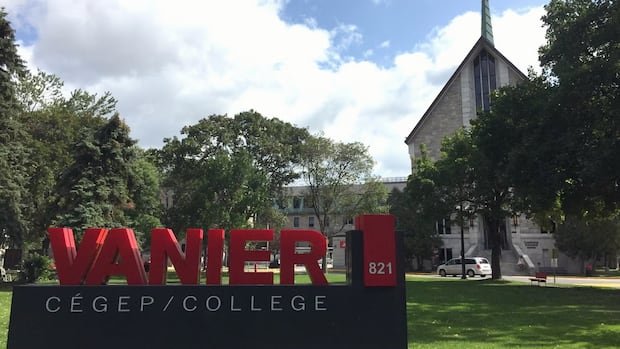
As organizations rush to comply with the new regulations, they are facing challenges in interpreting and implementing the rules due to the lack of clear guidance from the government. Concordia University and McGill University have removed prayer spaces, while Vanier College has closed its prayer room, directing Muslim students to a nearby mosque.
Under the law, religious practices in chapels are permitted, but prayer rooms are being phased out. Institutions, including Vanier College, are working on establishing processes for religious accommodation requests and complaints, as outlined in the legislation.
In subsidized daycares and private schools, workers are prohibited from wearing religious symbols, with exemptions for existing employees. The Fédération de la santé et des services sociaux-CSN is monitoring the impact of Law 9 on daycare workers and plans to assess the situation further.
The Société de transport de Montréal has closed its prayer spaces and adjusted policies to prevent employees from praying on workplace premises. The agency now provides rooms for silent activities but not for prayer, with interventions planned for non-compliance.
Law 9 introduces fines for violations and empowers inspectors to enforce the legislation. However, there is ambiguity in how organizations should handle non-compliant individuals, raising questions about enforcement mechanisms and consequences for those who refuse to comply.
Legal experts have highlighted the challenges faced by public institutions in navigating the new law and ensuring adherence among employees. The government’s approach to secularism has sparked debates over its implications and the extent of restrictions on religious practices in public settings.