

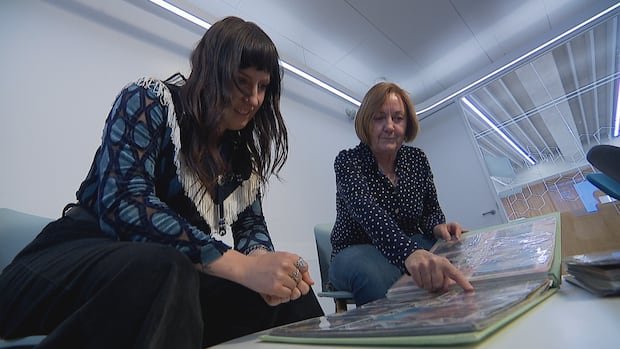

Katrina Dodge and her mother Gabriele have always shared open communication, but recently they have encountered tension in their relationship due to differing views on Alberta’s status within Canada. While Katrina supports Alberta remaining part of Canada, her family, including her mother Gabriele, leans towards voting for a second referendum on independence.
The situation has made Katrina feel somewhat isolated and anxious. Despite this, family gatherings remain amicable, albeit occasionally tense, making it challenging to navigate discussions with her family. On the other hand, Gabriele acknowledges their differing opinions and emphasizes mutual respect to maintain harmony.
Their relationship is guided by setting boundaries and knowing when certain topics are off-limits. While Katrina finds it emotionally taxing at times, she values respectful dialogues with her family. Good communication and mutual understanding are crucial for navigating such sensitive conversations and disagreements.
According to recent data from Abacus Data, conversations surrounding separatism have strained relationships in Alberta, with some individuals avoiding discussions to prevent conflicts. The CEO of Abacus Data, David Coletto, highlights the significant emotional impact of the ongoing debate on relationships and anticipates that the divide may persist post-referendum.
Psychologist Vanessa Goodchild emphasizes the importance of agreeing to disagree and maintaining healthy communication to preserve relationships amid political differences. She suggests engaging in shared activities and focusing on non-political discussions to strengthen family bonds.
Despite the challenges posed by differing political views, Katrina believes that love and communication are fundamental in keeping the family united. She values diverse opinions and considers them essential for personal growth. Similarly, Gabriele prioritizes family unity over political disagreements, emphasizing the enduring nature of familial bonds beyond political debates.