


U.S. President Donald Trump called on Americans to embrace marginally increased gasoline costs as a necessary measure to prevent Iran from acquiring nuclear weapons. He also hinted at the possibility of designating the Strait of Hormuz as U.S. territory. This stance reflects the emerging political challenges for Trump, as heightened fuel prices clash with his prior pledge to reduce energy expenses, leading Democrats to exploit the economic implications of potential conflict with Iran in the upcoming midterm elections.
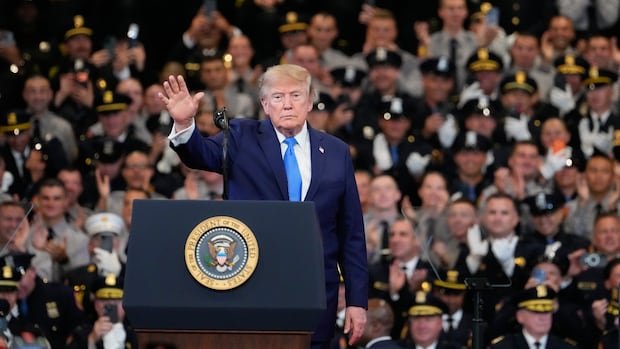
During a speech in Garden City, N.Y., Trump emphasized that the slight rise in gasoline prices was a small sacrifice to ensure that a “very evil country” did not possess nuclear capabilities. He asserted that the actions taken were not just for the benefit of the U.S. but also for global security, maintaining that the administration was executing its duties effectively and without remorse for confronting Iran.
Around 20% of the world’s oil and LNG shipments typically traverse the Strait of Hormuz, and fears of prolonged disruptions have driven up oil prices. Trump indicated a future declaration of the Strait of Hormuz as U.S. territory once the confrontation with Iran concludes, heightening tensions over the strategically vital waterway. However, the seriousness of this statement and its implications for policy remain uncertain.
In response to Trump’s remarks, Kazem Gharibabadi, Iran’s deputy foreign minister, dismissed the notion that the strait could be controlled through declarations or military actions, asserting that Iran maintained authority over its opening and closure. The Strait of Hormuz continues to be a significant focal point for global energy markets, with oil prices escalating, nearing $90 US per barrel for Brent crude and pushing U.S. gasoline prices to approximately $4 US per gallon.