

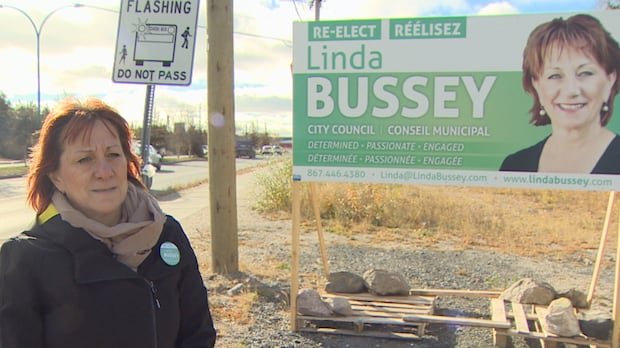

In the run-up to the municipal election in Yellowknife, former city council members stressed the significance of addressing practical day-to-day issues alongside larger concerns like housing. Linda Bussey, a former councilor, emphasized that while issues such as housing and social welfare are pivotal, candidates should also be pragmatic about the feasibility of their proposed solutions.
Bussey highlighted the importance of zoning and collaborative partnerships in addressing housing challenges, noting that the city alone cannot resolve these issues. Former Mayor Gordon Van Tighem echoed these sentiments, underscoring the bureaucratic hurdles that impede housing projects and advocating for streamlining processes to facilitate construction.
With the election spotlight on affordability, mayoral candidate Garett Cochrane proposed transitioning the budgeting system to a mandate-based approach to bring more transparency and manageability to property tax increases. However, former council member Shauna Morgan raised concerns about the potential implications on the roles of the council and administration.
Downtown revitalization emerged as a key campaign theme, with suggestions for closer collaboration between the city, law enforcement, and Municipal Enforcement Division officers. While advocating for a more active downtown presence, former Mayor Mark Heyck expressed interest in innovative ideas like a downtown ambassador program.
Reflecting on effective governance, former Mayor Dave Lovell stressed the need for a balanced council comprising both experienced incumbents and fresh perspectives. Lovell emphasized the value of combining institutional knowledge with novel ideas to drive progress and avoid stagnation in municipal decision-making.
As Yellowknife gears up for the upcoming municipal election on October 19, the discourse continues to evolve around practical solutions, collaborative approaches, and the balance between addressing immediate community needs and pursuing long-term strategic goals.