


Five former chairs of a committee advising the federal government on endangered wildlife have issued a public letter expressing worries about proposed amendments to the Species At Risk Act. The changes, they argue, could result in the deliberate extinction of endangered species in Canada. The scientists, who are former chairs of the Committee on the Status of Endangered Wildlife in Canada (COSEWIC), sent the letter to the government last month to raise awareness and prevent Canadians from contributing to the extinction of Canadian wildlife.
The concerns stem from potential modifications to environmental regulations, including the Species At Risk Act, that would expedite the approval and construction of major projects. Specifically, the amendments could eliminate the “jeopardy test,” a crucial assessment that prevents projects from harming endangered species and their habitats.
One of the former COSEWIC chairs, David Green, emphasized the importance of jeopardy tests as a final safeguard for protecting vulnerable species. The proposed changes would grant the government authority to establish “federal economic zones” for pre-approving industrial development and expedite the approval process for projects deemed in the national interest, such as pipelines.
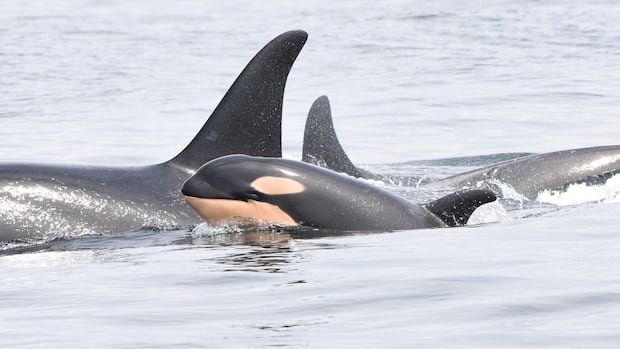
In particular, a new West Coast oil pipeline, currently under consideration as a project of national significance, could pose a significant threat to species like the southern resident killer whale and the Chinook salmon. These species and their habitats in the Salish Sea could face severe consequences if the pipeline is approved, according to the scientists.
The scientists highlighted the potential risks associated with the pipeline, pointing out the detrimental impact it could have on the imperiled killer whale population and their critical habitat. They questioned whether Canadians are willing to jeopardize the unique killer whale population for the sake of another oil pipeline project.
The proposed changes have raised concerns among experts and environmentalists, who view them as setting a concerning precedent. Despite the government’s emphasis on economic growth and trade diversification, critics argue that sacrificing environmental protections for short-term gains could have irreversible consequences.
The scientists have yet to receive a response from the government regarding their letter. While the government maintains its commitment to species conservation and recovery, it has not confirmed any decisions on amending the Species At Risk Act. A report summarizing public feedback on the proposed changes is expected before the end of summer, with formal legislation anticipated after Parliament resumes in September. Green urged the government to reconsider the potential impacts of the proposed amendments, emphasizing the permanent loss of species if conservation efforts are compromised.