

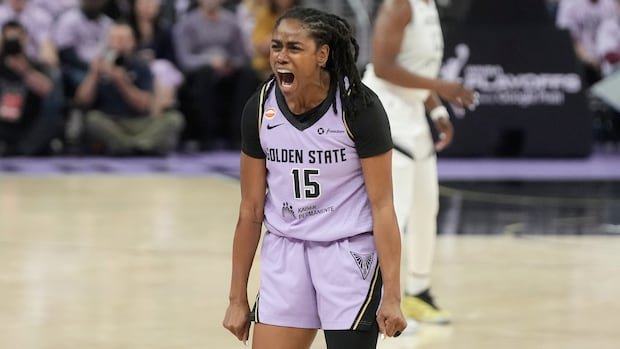

The most recent WNBA season achieved a new attendance milestone, with experts attributing the league’s increasing popularity to standout players, new teams, and a growing interest in women’s sports. In 2026, approximately 3.79 million fans attended WNBA games, marking a 20% surge from the previous year. This growth was primarily fueled by relocating 25 games to larger venues to accommodate the heightened demand.
Analysis indicates that eight of the league’s 15 teams consistently filled their arenas to a capacity of 90% or higher during the season, with an overall league average attendance rate of 83%. Cheri Bradish, an associate professor and director of the Future of Sport Lab at Toronto Metropolitan University, remarked that the league’s steady expansion aligns with projections of sustained growth over its more than 25-year history.
The pivotal 2020 season, conducted in a COVID-19 isolation zone known as the “Wubble,” significantly contributed to the WNBA’s rise. Ann Pegoraro, the Lang chair in sport management at the University of Guelph, highlighted this period as a turning point that showcased the quality of the women’s game to a broader audience. The surge in popularity of women’s college basketball, led by stars like Caitlin Clark, further bolstered the WNBA’s momentum, resulting in increased sponsorship revenue, team expansions, and record attendance figures.
Expanding into larger arenas has been a strategic move for the league, exemplified by the Toronto Tempo becoming the first Canadian WNBA team in 2026. Despite a non-playoff finish with an 11-33 record, the Tempo attracted a record-breaking crowd of 20,996 at the Bell Centre in Montreal. According to Pegoraro, such moves dispel misconceptions about the lack of interest in women’s sports and emphasize the growing appeal of women’s basketball.
The Atlanta Dream’s decision to relocate all home games to the 16,888-seat State Farm Arena demonstrates the league’s commitment to broadening its audience. With a substantial increase in season ticket holders over the past five years, the Dream aims to leverage the larger venue to showcase women’s basketball on a grander scale.
As the WNBA continues to gain traction, it has become a platform for discussing various social issues, including women’s rights and transgender inclusion in sports. While facing some controversies, the league remains focused on its growth trajectory. The upcoming appointment of a new commissioner is expected to shape strategic discussions on further expansion, playoff enhancements, and continued advocacy for women in sports.